Paintless Dent Repair vs Traditional Body Repair

Paintless Dent Repair vs. Traditional Body Repair

Not every dent requires the same type of repair. Some dents can be restored with paintless dent repair. Other damage requires traditional body repair. Knowing the difference can help you understand what your vehicle may need after an accident or minor impact.

Radley Collision Center can evaluate your vehicle and recommend the right approach. Drivers in Fredericksburg, VA, can turn to the collision center for professional guidance after their vehicle sustains damage.
What Is Paintless Dent Repair?

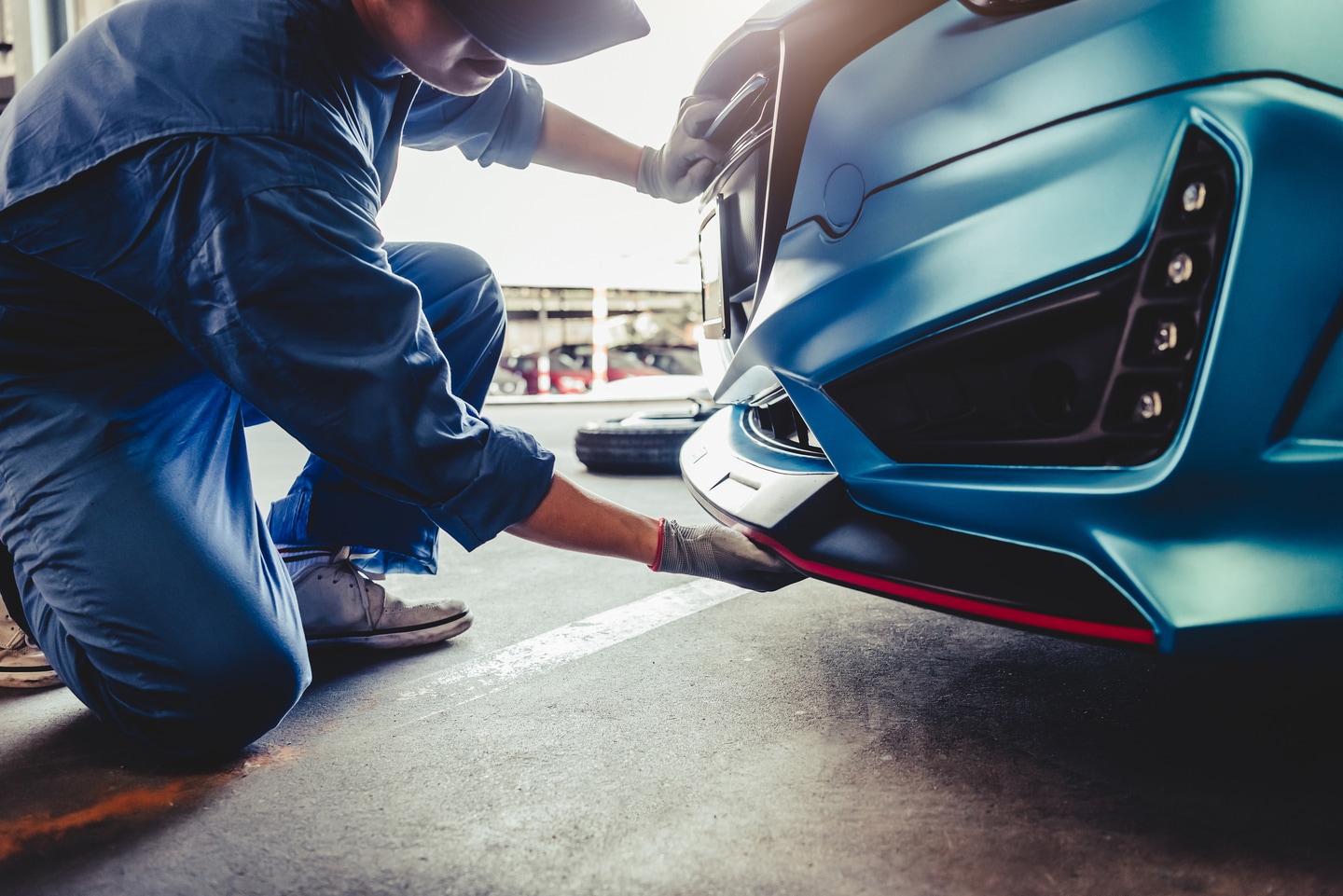
Paintless dent repair, often called PDR, is a specialized method for removing certain dents without repainting the damaged panel. A technician carefully works behind the panel. The goal is to return the metal to its original shape.

PDR can be a good option when the paint remains intact. It is often used for smaller dents and dings. Door dings and certain hail damage may also qualify. The process can be less invasive than traditional body repair. It also does not require the same painting process.

When Is Traditional Body Repair Better?

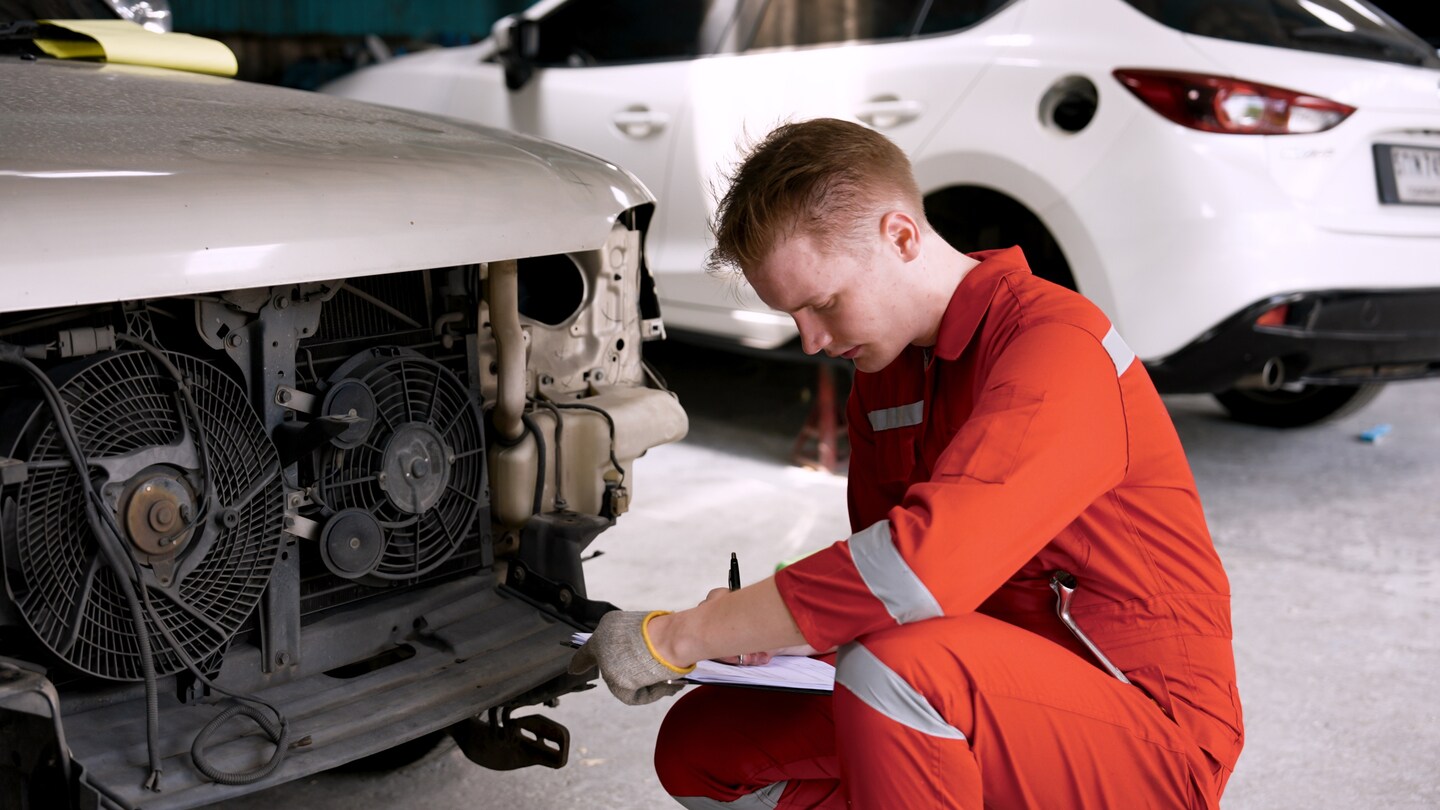
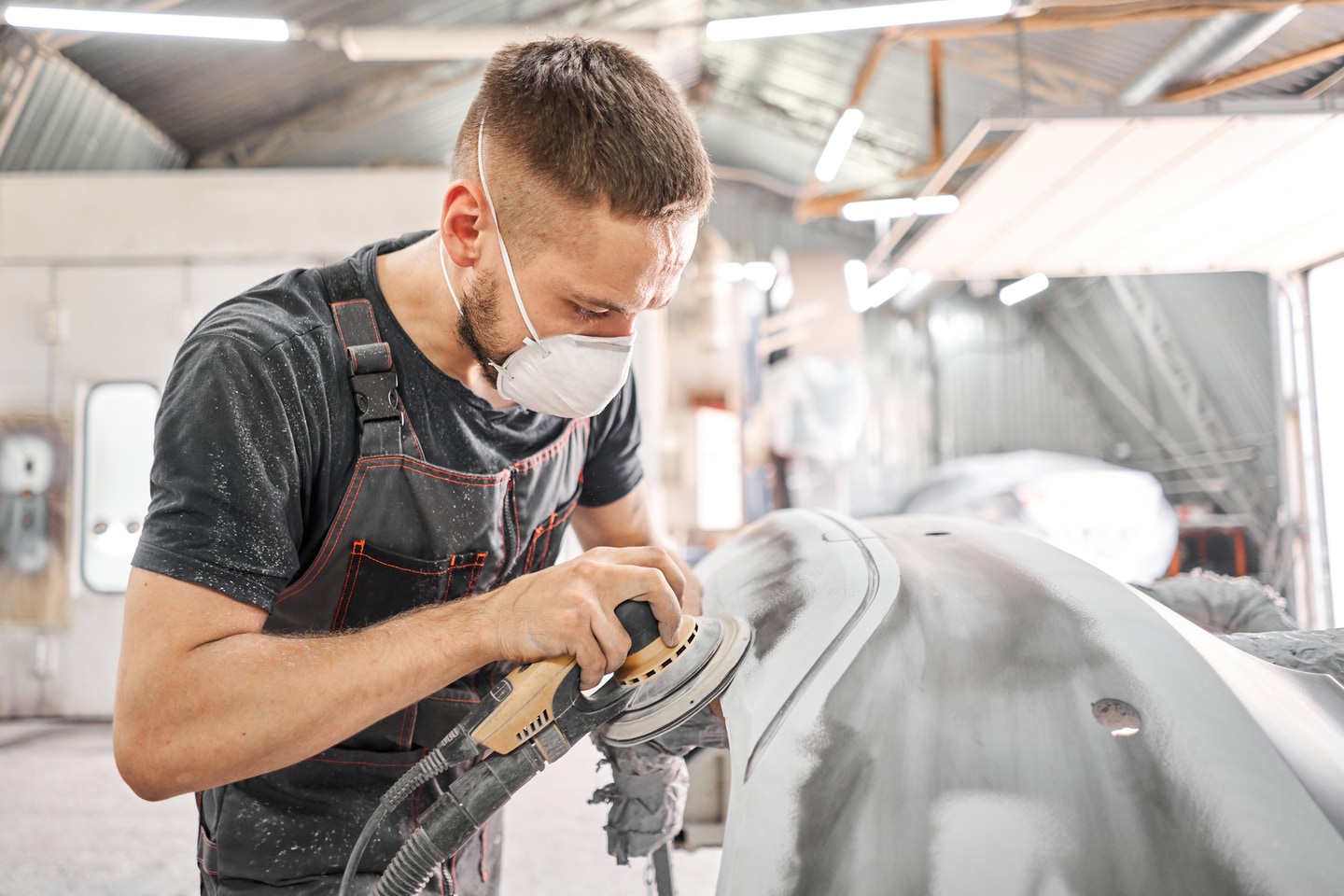
Traditional body repair may be necessary when the damage is too severe for PDR. A dent with damaged paint may require a different approach. Deep creases and damaged panels can also require conventional repair methods.

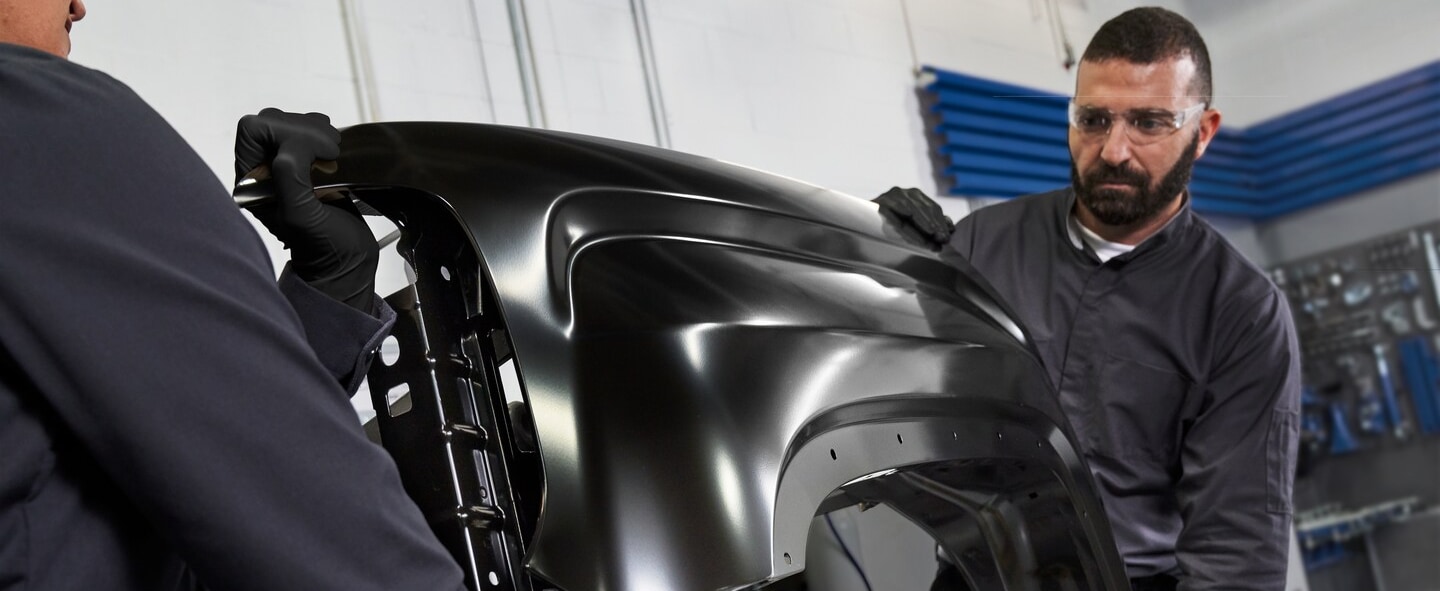
Traditional repair may involve reshaping or replacing a panel. The damaged area may then be prepared and refinished. This process takes more steps than paintless dent repair. Drivers in Woodbridge, VA, should have the damage evaluated before choosing a repair method. A professional inspection can determine whether PDR is appropriate.

Repair Time and Cost

Paintless dent repair can often take less time than traditional body repair. The exact turnaround depends on the size and location of the dent. Access to the damaged area can also affect the process.

Traditional body repair generally involves more work. It may require body preparation and refinishing. As a result, the repair can take longer. Cost also varies with the damage. A small dent may be relatively simple to repair. More extensive damage can require additional labor and replacement parts.

Which Repair Method Is Right?

The condition of the panel is one of the biggest factors. The location of the dent matters too. A technician must also determine whether the paint and underlying material remain intact. Radley Collision Center can inspect the vehicle and explain the recommended solution. Customers in Triangle, VA, can contact the team for help determining the next step.

Traditional repairs may be the better choice when the panel has significant damage. Frame or structural damage requires an even more involved evaluation. Learn more about frame damage repair if your vehicle has sustained a serious impact.

Professional Dent and Collision Repair

Choosing the correct repair method can help protect the appearance of your vehicle. It can also help restore the vehicle after an accident.

Radley Collision Center provides resources to help customers understand the repair process. Visit the collision repair process page to learn more.

Customers in King George, VA, can also contact the collision center with questions about dent removal and collision damage. Drivers in Culpeper, VA, can reach out for a professional evaluation. Customers in Dale City, VA, can do the same when their vehicle needs collision or dent repair.

Frequently Asked Questions

Neither method is right for every situation. PDR can work well for certain dents with intact paint. More serious damage may require traditional body repair.

PDR is designed to preserve the existing paint. The method works from behind the damaged panel.

It can be. PDR often involves fewer repair steps than traditional bodywork. The actual turnaround depends on the damage.

A professional inspection is the best way to determine the appropriate repair method. Radley Collision Center can evaluate the damage and explain your options.

No. PDR has limitations. Damage involving broken paint, severe creasing, or extensive panel damage may require traditional repair.